
Insights That Matter
Expert articles, guidance, and real-world strategies for MedTech innovators
5 Common Pitfalls in MDR Technical Files — and How to Avoid Them
By Adel Greb
Navigating the Medical Device Regulation (MDR) can feel overwhelming — especially when it comes to compiling a compliant technical file. After reviewing and submitting dozens of files, I’ve seen the same mistakes pop up time and again.
Avoid these 5 common pitfalls to strengthen your submission and reduce costly delays:
1. Incomplete Risk Management Documentation
Many companies underestimate how deeply MDR ties the technical file to ISO 14971. A standalone risk matrix isn’t enough — you need traceability from risk analysis to design controls, verification, and post-market surveillance.
💡Helpful Tip: Align your risk documentation directly with your design and usability work. Consider linking risks to mitigations across the lifecycle.
2. Weak Clinical Evaluation Reports (CER)
Regulators are increasingly focused on clinical evidence. Reused or outdated CERs from the MDD era often fall short of MDR expectations.
💡Helpful Tip: Make sure your clinical data is current, device-specific, and aligned with MEDDEV 2.7/1 Rev 4 and MDCG guidance.
3. Unclear Software Documentation
If your product includes software, lack of structure in IEC 62304 and IEC 82304 documentation is a red flag. This includes missing software architecture, SOUP justifications, or version control plans.
💡Helpful Tip:: Organize your software file in line with IEC 62304 clauses, and don’t forget the software risk classification justification.
4. Gaps in Post-Market Surveillance Plans
Some companies treat PMS as an afterthought. However, MDR expects a proactive, data-driven approach integrated into your QMS.
💡Helpful Tip: Use real-world use cases and complaint trends to show how PMS feeds into continuous improvement and risk reevaluation.
5. Lack of Documented PRRC Responsibility
The Person Responsible for Regulatory Compliance (PRRC) must be clearly assigned and documented. Not having this role filled, or failing to prove their qualifications, can stop the submission cold.
💡Helpful Tip: Maintain a signed role description and CV for the PRRC as part of your QMS.
Final Thoughts
A strong technical file isn’t about ticking boxes — it’s about telling a coherent, compliant story about your device’s safety, quality, and performance.
Don’t let these common mistakes delay your MDR submission. The cost of a rejected Technical File is measured in months, not days. Download our FREE MDR Technical File Pre-Submission Audit Checklist. This comprehensive tool breaks down the necessary evidence for Risk, CER, Software, and PMS to ensure your documentation is robust, traceable, and ready for Notified Body review on the first submission. Download the Audit Checklist Now to submit with confidence.”
Explore more expert articles and industry updates shared on our LinkedIn page. Stay informed with the latest trends and practical tips for MedTech innovators.
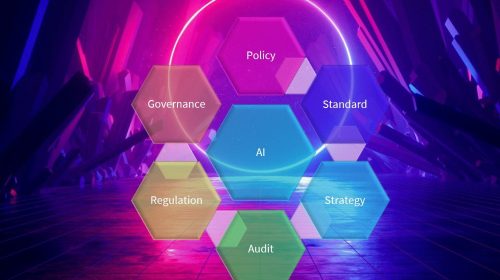
EU AI Act & MDR Compliance Gap Analysis Checklist for SaMD
A practical checklist for aligning your AI-powered SaMD with both the EU AI Act and MDR. Covers classification, governance, risk, data, and post-market surveillance — tailored for MedTech innovators navigating compliance in 2025 and beyond.
ISO 13485 Simplified: Clause 5 - Management Commitment
ISO 13485 Clause 5 breaks down how leadership drives compliance. This article explores the four key responsibilities of top management — from quality policies to meaningful reviews — and how to avoid common pitfalls that weaken your QMS.
ISO 13485 Clause 6: The Most Overlooked Reason QMS Fails (and How to Fix It)
ISO 13485 Clause 6 is often overlooked, but it’s the backbone of a sustainable QMS. This article explores how resources — people, infrastructure, and environment — make or break your compliance success, especially in SaMD and digital health.
ISO 13485 Clause 7 : Why Software Quality Fails Without Process Discipline (And What You Must Do if Your Product Is Code)
Clause 7 is the backbone of product realization in SaMD — where software teams often fail to align QMS and code. Learn how to build disciplined, compliant processes for development, DevOps, validation, and supplier control.
ISO 13485 Clause 8: Measurement, Analysis, and Improvement – Quality isn't a checkbox. It’s a commitment.
Clause 8 turns your QMS into a living system. This guide shows how SaMD teams can monitor post-market data, run trend analyses, and drive CAPA that leads to real, measurable improvements — not just checkboxes.

ISO 27001 Is the Lock - But Can Your MedTech Team Hold the Key?
In the MDR world, cybersecurity is now a regulatory requirement. This article breaks down how ISO 27001 supports secure systems — and why your people, not your paperwork, are the real defense.

AI Will Provide Boats for Everyone - But What Happens When the Storm Comes and You Don’t Know How to Swim?
AI is accelerating quality and regulatory processes — but at what cost? This article unpacks the risk of eroding internal competence and why understanding standards like ISO 13485 and MDR still matters more than ever.

AI-Driven Medical Devices Face a New Test - And It’s Not Just Technical
MDR compliance? Necessary, but no longer sufficient. This article explores how the EU AI Act (and MDCG 2025-6) adds new expectations around bias, transparency, and AI governance — and what your team must do next.

ISO 27002 vs. ISO 27001: Why Medical Device Teams Need Both to Build Secure, Compliant Systems
ISO 27001 tells you what to do. ISO 27002 shows you how. Learn why these two standards must work together — especially if you’re building connected devices under MDR and ISO 13485.

ISO 27002:2022 for SaMD - The 11 New Cybersecurity Controls You Can’t Ignore
ISO 27002:2022 introduces 11 new controls that SaMD teams must take seriously — from secure coding and data deletion to threat intelligence and cloud risk. This article shows how to integrate them into your QMS and ISMS right now.

Stop Letting ISO 13485 Chain Your Sprint Velocity: A Guide to Lean, Agile QMS for SaMD
Traditional QMS implementations force engineering teams into waterfall-mode stasis – pumping out redundant documentation that satisfies neither auditors nor developers.